Be A Part of Change !

When Schools are Missing: Women’s Dreams Are Silenced in Bihar’s Villages
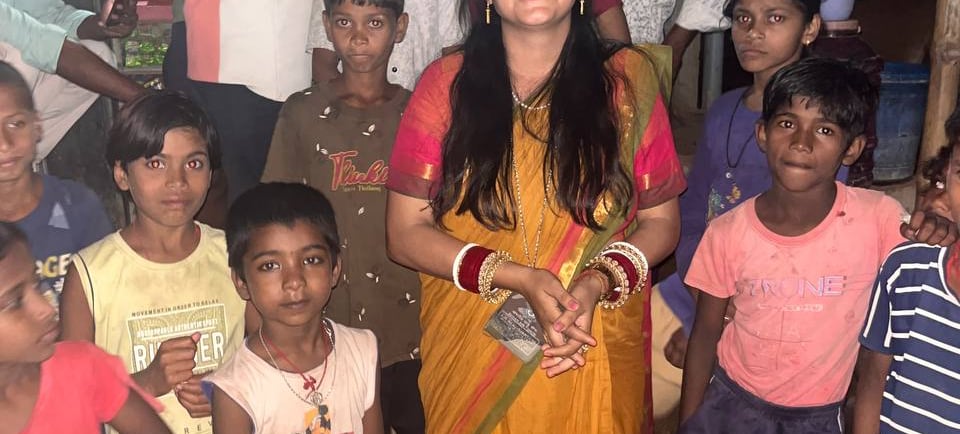
Brats Bharat Foundation has identified a severe crisis in multiple Vidhan Sabha regions of Bihar, particularly in Tarapur Vidhan Sabha, Munger, where the absence of schools, teachers, and basic educational infrastructure has pushed generations of children—especially girls—into illiteracy. The lack of education has directly weakened women empowerment, limiting opportunities, awareness, and dignity. This is not a distant statistic, but a lived reality observed during on-ground village visits, demanding urgent attention and collective action.
Dr Priyanka Chauhan
1/7/20268 min read
Introduction: The Crisis of Education in Bihar
The state of Bihar, particularly the Tarapur Vidhan Sabha area, is currently facing a significant educational crisis that has profound implications for its population, especially women and girls. The lack of adequate schools and educational infrastructure is evident; many villages are devoid of even a basic school facility. This absence of educational institutions contributes to high levels of illiteracy, which is a pressing concern that demands immediate attention.
Furthermore, the situation is exacerbated by a shortage of qualified teachers, who are essential for fostering a conducive learning environment. Many areas remain under-resourced, making it nearly impossible for children to receive quality education. The compounded effect of insufficient schools and a lack of trained educators has resulted in a cycle of neglect, particularly impacting adolescent girls. While boys also suffer from these deficiencies, the societal norms often prioritize male education over female education, leading to a longer-lasting impact on women's dreams and aspirations.
In rural Bihar, girls frequently face barriers that prevent them from accessing education. Many families, constrained by socio-economic factors, may view the investment in a girl's education as less beneficial compared to that of a boy’s. The prevalent attitudes further silence the dreams of young women, potentially stunting their growth and limiting their future opportunities. The absence of educational resources reinforces systemic inequality, making it increasingly challenging for women to advocate for their rights and pursue personal and professional development.
As we delve deeper into this critical issue, it is imperative to spotlight the urgent need for interventions aimed at restoring educational opportunities in Bihar. Without immediate and sustained efforts to build schools, recruit teachers, and overhaul the educational systems in place, the dreams of countless women in these villages will remain unfulfilled and unrealized.
Understanding the Impact of Illiteracy on Women
The issue of illiteracy among women, particularly in the rural landscape of Bihar, has far-reaching implications that stretch beyond basic education. It impacts their empowerment, economic opportunity, and social dignity, effectively silencing countless dreams. Without literacy, women are often unable to access information that can benefit their lives or contribute to society. This lack of awareness extends to health, legal rights, and even personal development, creating a cycle of dependence and marginalization.
The absence of education severely restricts women’s opportunities for economic independence. Many literate women are able to engage in activities such as small business ventures, agricultural improvements, or higher-paying job opportunities. In contrast, illiterate women are often confined to traditional roles with limited agency, making it difficult for them to improve their economic status or challenge societal norms that keep them disenfranchised.
Testimonies from women in these villages highlight the emotional toll of illiteracy; many express feelings of inadequacy and frustration. A woman from a village in Bihar stated, "I want to help my children with their studies, but I cannot even read a letter. I feel ashamed when I see what other mothers can do for their children." Such sentiments showcase the internalized consequences of a lack of education, reflecting a sense of hopelessness that permeates many households.
Illiteracy also affects women's dignity. In many communities, education is viewed as a pathway to respect and participation in important discussions. Without it, women are frequently sidelined, with their voices and opinions undervalued. As they navigate a world that often dismisses their experiences, the absence of educational opportunity becomes not just a personal hindrance but a communal loss, as women's unique perspectives and contributions to society are overlooked.
A Ground Reality: Observations from Tarapur Vidhan Sabha
The Tarapur Vidhan Sabha region presents a stark portrayal of the educational landscape in rural Bihar. During recent visits conducted by the Brats Bharat Foundation, it became evident that schools, once a beacon of hope, currently face numerous challenges, impacting both children and women in these villages. One of the most alarming observations was the prevalence of empty classrooms, a situation that reflects a deep-rooted crisis in education.
In several villages within Tarapur, schools are either non-existent or are in such disrepair that parents hesitate to send their children, especially their daughters, fearing for their safety and quality of education. The dilapidated state of infrastructure, including cracked walls, broken furniture, and lack of basic teaching materials, significantly hinders the learning process. It is not uncommon for children to roam the village instead of engaging in study, as their dreams slowly fade in the absence of educational opportunities.
The voices of local women further illustrate the desperate conditions faced. Many women expressed their aspirations for their daughters to receive education, envisioning a future where they can contribute positively to society. However, without schools or reliable educational resources, these dreams remain just that—dreams. Personal anecdotes shared by community members highlighted moments of hope and despair; for example, a mother recalled how she once encouraged her daughter to study hard, only to find her school closed for months without notice. Such circumstances contribute to the discouragement and disillusionment felt within these communities.
Engagement with various stakeholders in the region revealed a pressing need for urgent action to revitalize the educational sector, focusing on accessibility and quality. The ongoing crises faced by families underscore the importance of addressing these issues, particularly for the empowerment of women and the future of the children in Bihar's villages.
The Cycle of Poverty and Illiteracy
The interconnection between poverty and illiteracy in Bihar's villages creates a challenging cycle that is difficult to escape. In these rural areas, limited access to education underscores the systemic issues that contribute to ongoing economic hardship. For many families, financial constraints dictate the priorities of education; often, boys are favored over girls when resources are scarce, perpetuating gender disparities. Consequently, this imbalance results in a higher rate of illiteracy among women. A UNESCO report notes that girls in rural Bihar are 2.5 times more likely to be illiterate compared to their male counterparts.
Illiteracy leads to diminished opportunities for employment, limiting individuals' ability to contribute economically to their households. Research indicates that each additional year of schooling can increase a person's earnings, yet in villages where educational infrastructure is lacking, these opportunities are stifled. The absence of quality institutions not only hinders personal growth but also affects future generations. Adolescents growing up in illiterate households often replicate their parents' experiences, where educational aspirations are deprioritized. This dynamic engrains a cultural narrative that views education as unattainable or irrelevant, especially for girls.
Furthermore, studies reveal that the lack of education among women stifles community development. These women, often marginalized, could play a crucial role in uplifting their communities if only provided with the necessary skills and resources. In villages where schools are inaccessible, the prospects for breaking this cycle of poverty and illiteracy fade, leading many girls into early marriage or unskilled labor rather than a path toward personal empowerment and economic independence. Evaluation of educational initiatives highlights the urgent need to address these disparities, focusing on creating equitable access to education for all children, especially girls.
Collective Action: What is Being Done?
In response to the educational crisis in Bihar’s villages, various organizations have been mobilizing efforts to combat the challenges posed by a lack of schools and educational resources. Among them, the Brats Bharat Foundation has emerged as a key player, spearheading initiatives aimed at reversing the trend of educational deprivation.
The Brats Bharat Foundation has implemented programs focused on constructing schools in rural areas. These facilities not only serve as places for academic learning but also act as community hubs where women can gather, share knowledge, and bolster their standing in society. By prioritizing the establishment of schools, the foundation aims to provide accessible educational opportunities, particularly for girls who are often marginalized in rural educational settings. This investment in infrastructure is a crucial step toward building a sustainable educational framework that can ultimately uplift entire communities.
Furthermore, the foundation recognizes that infrastructure alone is insufficient. Therefore, it emphasizes the importance of training teachers who are not only qualified but are also sensitive to the unique cultural and social contexts within which they operate. Extensive teacher training programs have been launched to ensure that educators are equipped with the skills necessary to create inclusive and supportive learning environments for all students.
In addition to these structural and human resource investments, the foundation has fostered initiatives focused on empowering women through education. By facilitating workshops and providing scholarships, these programs strive to enhance women’s access to education and promote gender equality. Success stories have emerged from these initiatives, showcasing women who have transformed their lives and their communities through learning.
While significant strides have been made, challenges remain. Resistance to change and limited resources continue to test these efforts. The collaborative work of various organizations illustrates that collective action is essential in addressing the educational disparity faced by women in Bihar’s villages, and ongoing commitment will be required to sustain these initiatives.
The Role of Government and Policy Changes
The government plays a pivotal role in shaping the educational landscape in Bihar, particularly when it comes to fostering female education in rural areas. Existing policies aimed at enhancing educational access include the Mid-Day Meal Scheme, which intends to improve school attendance, and the Beti Bachao Beti Padhao program, designed specifically to promote girls' education. While these policies have shown some successes, their overall effectiveness is often hampered by insufficient implementation and lack of awareness among communities.
In examining the educational crisis in Bihar's villages, it becomes apparent that there is an urgent need for effective policy changes. One major area that requires attention is the infrastructural development of schools, ensuring they are equipped with basic facilities such as clean water and sanitation, which are crucial for attracting and retaining female students. Additionally, there is a pressing need for teacher training programs, particularly those that sensitize educators to the unique challenges faced by girls in these rural settings.
Moreover, the government should consider community involvement as a critical component of policy reform. Initiatives that engage parents and local leaders in discussions about the significance of girls' education could dismantle cultural barriers that hinder female enrollment. Furthermore, incentivizing families through conditional cash transfers for sending daughters to school has proven effective in various contexts and could be tailored for Bihar.
In conclusion, comprehensive policy recommendations need to be implemented to address the challenges of female education in Bihar's villages. Enhancing existing programs, ensuring adequate infrastructure, and fostering community support can collectively contribute to a brighter future for women's dreams in this region. Addressing these issues through targeted government action is essential to creating sustainable access to education for all.
Call to Action: The Need for a Collective Effort
The plight of women and girls in Bihar's villages, where the absence of educational facilities serves as a significant barrier to their aspirations, necessitates immediate collective action. The lack of schools not only hampers their individual growth but also stifles community development. To address this pressing issue, it is crucial for individuals, communities, and organizations to come together in a unified effort.
Community involvement can be a powerful catalyst for change. Local leaders and residents need to raise awareness about the value of education, particularly for girls, who often face systematic discrimination in accessing educational opportunities. Awareness campaigns and workshops can be organized to highlight the transformative power of education. Sharing success stories of women who have changed their lives through education can inspire others to follow suit.
Furthermore, collaboration with government and non-profit organizations is essential. Engaging with these entities will facilitate the mobilization of resources and expertise required to build schools and provide necessary learning materials. Initiatives could include fundraisers aimed at creating scholarships for girls, or partnerships that leverage the strengths of various stakeholders in the educational sector.
Every individual can play a role in this initiative, whether through volunteering, sharing information, or donating resources. It is imperative to foster a community culture that prioritizes education for all, especially for young women whose potential is often overlooked. By joining forces, we can create a future where every girl in Bihar has the opportunity to pursue her dreams, thereby allowing her voice to be heard and celebrated.
Empowerment
Join us in transforming lives through education.
Connect
contact@bratsbharatfoundation.org
7817089036
© 2025. All rights reserved.